Session 5 of the FEI Sports Forum 2026 in Lausanne on 31 March 2026 focused on the comprehensive revision of the FEI Veterinary Regulations, which are being undertaken this year in accordance with the FEI Periodical Rules Revision Policy. The session was moderated by FEI Veterinary Committee Chair, Jenny Hall.
The proposed regulations at the sport forum were only being discussed there, the actual vote for rule change takes place at the FEI General Assembly in November.
Equine Welfare and Scientific Evidence
Dr Caterina Termine, FEI Senior Veterinary Advisor, opened the session by outlining the approach to the Rules revision. She highlighted initiatives such as the Fitness to Compete Forum in Amsterdam (NED) at the beginning of last year and a series of subject-specific workshops, including those dedicated to equine behaviour and supportive therapies.
She also explained the systematic methodology and guiding principles behind the process, emphasising the central role of equine welfare and scientific evidence. Dr Termine stressed the importance of the entire equestrian community working collaboratively to successfully deliver and implement the revised FEI Veterinary Regulations.
Critical Points of Discussion
FEI Director of Veterinary & Equine Welfare, Göran Åkerström, then presented the key concepts behind the proposed rule changes across several areas. In the domain of fitness to compete, discussions covered behaviour assessment, (the ambiguous regulations relating to) neurectomy, the Henneke Scale for body condition scoring, and jugular vein functionality. Clean sport proposals addressed issues such as therapeutic use exemptions for pergolide, a substance used to lower the secretion of a hormone (ACTH) that regulates the release of cortisol and thereby lower the risk for clinical signs such as laminitis and weight loss , the removal of non-emergency treatments by injection (of products to support the joints, amino acids or homeopathic remedies), stricter limitations on the possession of medications and substances, and the use of fluid therapy (an IV infusion without a clinical assessment of the horse should be subject to penalties).
Jan Tönjes of Equi-Pages wrote an outstanding summary of above mentioned points and highlighted the level of disagreement and differing opinions there still is between riders and the larger bodies above.

Concerning neurectomy, Toenjes reported that it was said at forum that "in future, every neurectomy should be compulsorily registered in the horse’s passport. If this proposal does not find a majority in the vote at the General Assembly, at least the cutting of the palmar nerve should be expressly prohibited as an alternative."
For pergolide the proposal is that horses with Cushing's disease no longer need to take a break from the medication at shows as the horse's condition ciukd worsen. There is a proposal on the table that Therapeutic Use Exemption (TUE) can be asked for.
Welfare in the Stables
During the discussion, delegates emphasised the importance of considering geographical context in the Rules revision process, particularly in relation to varying climatic conditions that may affect fitness to compete assessments.
With regard to welfare and safety, topics included general safety concerns such as the use of bicycles and electrically powered scooters in stable areas and the enforcement of mandatory stables closure at night for a minimum of six. At many indoor jumping competitions classes go from morning till night and little rest and quiet time in the stables is not achieved?
Additionally, it was noted that any restrictions on bicycles and electrically powered scooters should take into account the needs of para-athletes who rely on specific mobility devices to access stable areas.
Facility-related discussions focused on enclosures – permanent small outdoor paddocks that may be used as stabling at FEI Events.
Dangerous Horses
Participants called for greater clarity on the elimination of horses deemed too dangerous to remain at an event, including the specific situations in which elimination should occur and its implications. This prompted further discussion on how to manage horses displaying dangerous behaviours while still achieving high athletic performance.
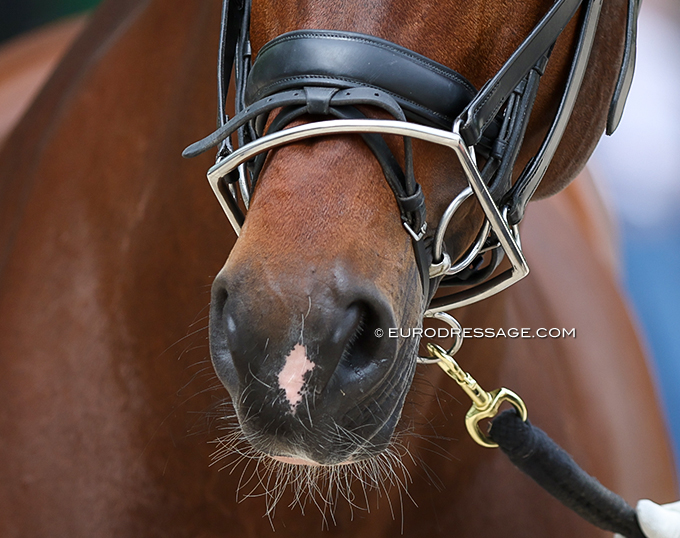
It would not be the first time that horses need to be "ridden" to the horse inspection or handled by two people with the horse in a double bridle or chifney.
Pony Measurements
Pony measuring proposals examined methods for calculating overall measurements and procedures for refusal to measure in cases of questionable identification. Audience feedback highlighted that the pony measurement system should be fair and include measures to mitigate the cost of a measuring session.
It was reported that two European vets were flown to the USA to measure two ponies. Total costs: more than 10,000 US dollars.
Pulse and Ice Machines
Further topics included horse identification, particularly the right to take, store, and analyse DNA samples at any time during an event. Supportive therapies were also reviewed, with attention given to human safety in relation to the use of Pulsed Electromagnetic Field (PEMF) machines in FEI stables and limiting the use of ice immediately prior to horse inspections.
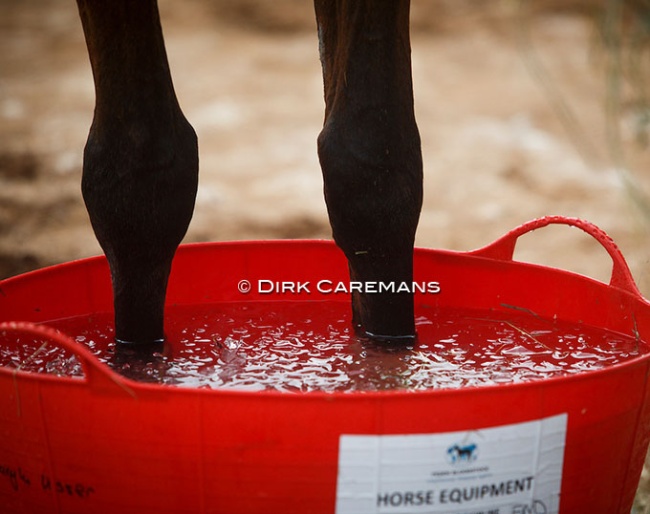
According to Tönjes it was reported at the forum that at the CHIO Aachen "grooms complained that there was never a quiet moment because the drone of the ice machines could be heard almost 24 hours a day. It was said that a chestnut gelding and a black stallion were constantly being cooled. Cold can cover up lameness in the short term. Up to now, the period until when horses may still be treated in this way before a vet check was not clearly defined. In future, it should say “the horse may not be cooled with ice within 30 minutes before a vet check or re-inspection."
Magnetic Blankets
Tönjes also wrote that the use of magnetic blankets was discussed and its use "to be restricted. In future, according to the proposal, only applications that work with a rechargeable battery and not with a power supply via cable will be permitted. This should ensure that only magnetic fields with a maximum of 100 gauss – a value that is safe for humans – are used."
Finally, proposed amendments around limb sensitivity protocols were discussed, including a review of the hyposensitivity threshold removing and the removal of the Final Hypersensitivity examination.
Photos © Dirk Caremans - Astrid Appels - FEI
Related Links
FEI's Communication Strategy of Serving the Fans Disclosed at 2026 FEI Sports Forum
Full Revision of FEI Dressage Rules Takes Centre Stage at 2026 FEI Sports Forum
Youth in Focus at 2026 FEI Sports Forum: From Pony to Podium: Our Youth, Our Future