The United States Equestrian Federation has announced that horse suspensions will be included in the new penalty guidelines for drugs and medications cases.
In February, the USEF Board adopted new penalty guidelines for drugs and medications cases, which will guide both informal resolutions and cases before the Hearing Committee.
The updated guidelines were designed with three goals in mind: to enhance member awareness of the process and promote understanding of what to expect if they are notified of a positive finding; to better reflect how penalties for certain substances are currently treated; and to reinforce consistency across similar cases and categories of substances.
Horse Suspensions for Higher Categories
The most important change to the guidelines is that horses who test positive for certain categories of substances will be suspended at the same time as the responsible person (usually the trainer).
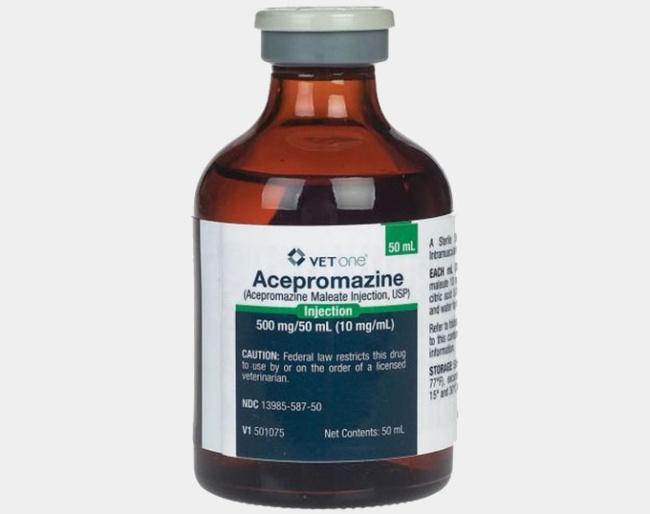
For example, if a horse tests positive for acepromazine (Category II), and the trainer’s penalty includes a two-month suspension, the horse will also be suspended for that same two-month period. The Board made this change because they wanted to incentivize owners to take an active role in their horse’s wellbeing and decision-making on medication administration.
This starts with samples collected after May 31, 2026, and applies to positive tests for Category II, III, or IV substances.
As a reminder, here are the categories in the guidelines:
-
Category I – quantitatively-restricted substances such as NSAIDS, dexamethasone, and methocarbamol;
-
Category II – Prohibited Substances that have a legitimate therapeutic uses in horses such as corticosteroids, local anesthetics for treating lacerations, and some common colic treatments;
-
Category III – Prohibited Substances that are not labeled for use in horses, but which are FDA-approved and regulated for use in humans such as opiates and antipsychotics;
-
Category IV – Prohibited Substances that can alter performance of horses or are designed to evade detection. Substances that are not FDA-approved for any use. Examples include GABA and Phenibut.
Creation of Sub-Categories
The guidelines now include sub-categories to address certain substances that don’t fit well into the existing categories. The sub-categories provide clarification and align the penalty guidelines with USEF’s current approach to penalties for these substances.
One of the new subcategories is Category II.a., which includes altrenogest, cetirizine, and metformin. These carry lighter penalties than a typical Category II substance.
“The Hearing Committee and the Board realized that it didn’t make sense to handle cetirizine the same way as some of the other Category II drugs, for example,” explained Dr. Stephen Schumacher. “All Category IIs legitimate therapeutic uses, but they have very different impacts on a horse’s performance and people can have very different intentions when using them.”
Similarly, the new guidelines created a Category II.b., which includes short-acting sedatives such as acepromazine and detomidine, which have a higher starting penalty than a regular Category II. This is because these drugs carry a higher potential for abuse in affecting or manipulation performance.
Additionally, Category III has now been refined to include Category III.a., which is designed to address the ubiquitous nature of CBD in products marketed for humans and pets. This sub-category carries lighter starting penalties than other Category III substances.
“We still don’t want people intentionally giving CBD to horses who are actively competing, but we also recognize that it’s unregulated and is in a huge number of products for humans and animals, including topicals and other forms,” said Dr. Schumacher. “That means there’s an increased risk of unintentional exposure compared to other Category III substances.”
The full press release can be read here.
Related Links
Clean Sport at the 2021 Tokyo Olympics, All Horses Negative to Doping or Controlled Medication
No Doping Cases, Two Positive Medication Cases at 2018 World Equestrian Games
High Tech Hong Kong Doping Lab Catches Doped Show Jumpers
Control Anti-doping verification at the SICAB 2018 Conformation Final